A protocol, not a menu of services

Patients are rarely helped by one modality in isolation. Activa runs four phases in sequence diagnose, correct, control, retrain, and the plan you leave with says which phases your case actually needs, and which it does not.

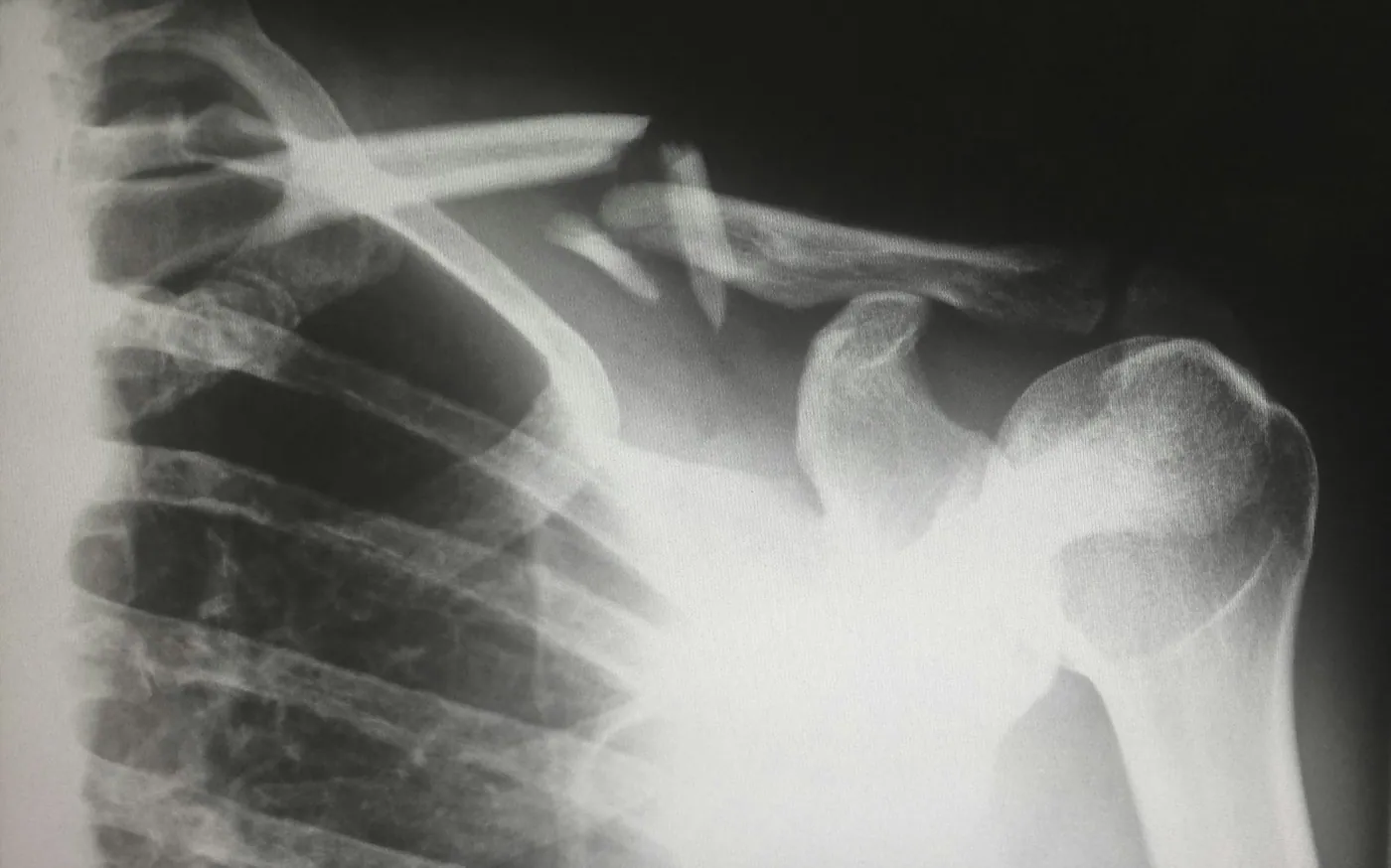
Radiographic imaging under review
Phase 01

3D Diagnostic & Biomechanical Spine Mapping

Nothing is treated on assumption. Digital 3D X-ray analysis and postural load assessment identify which vertebral segments are carrying abnormal stress, and quantify what is actually wrong: lateral deviation, loss of cervical or lumbar lordosis, reduced disc height, facet loading, pelvic obliquity.

Any MRI or CT you already have is read into the same biomechanical model rather than repeated. A neurological screen, reflexes, dermatomes, myotomes, straight leg raise, establishes whether a nerve root is genuinely involved or the pain is referred from a joint.

You then sit with the consultant and see the findings on screen. That conversation covers what is treatable, what is not, roughly how many sessions the correction will take, and what it will cost.


Read the full diagnostics page
Phase 02

Targeted Acoustic Wave Realignment

Calibrated low-frequency acoustic pulses are delivered through the skin to the segments identified in your map. You lie fully clothed on a treatment couch; most patients describe a deep vibration or warmth rather than anything painful.

The mechanism is muscular before it is skeletal. Protective spasm in the multifidus and erector spinae is what holds an injured segment compressed and rotated, often for years after the original event. Releasing that guarding allows the column to settle toward its physiological axis, which in turn reduces mechanical load on the disc and the exiting nerve root.

There is no thrust, no manipulation, no medication and no recovery period. Sessions run 20 to 30 minutes, typically two or three times a week, with interval re-imaging to verify that the correction is actually happening rather than assumed.

Read the full therapy page
A therapist working on a patient's lower back
A consultant physician reviewing a patient chart
Phase 03

Precision Interventional Pain Care

Structural correction does not always resolve inflammation. Where a nerve root remains irritated, or a facet joint remains the clear pain generator, our consultant pain physicians add a targeted, image-guided procedure.

  • Transforaminal epidural steroid injection: delivers anti-inflammatory medication precisely to the irritated root rather than into the epidural space generally.
  • Selective nerve root block: both diagnostic and therapeutic; confirms which level is generating the pain.
  • Medial branch block and radiofrequency ablation: for facet-mediated axial pain, ablation can give durable relief once blocks confirm the target.
  • Platelet-rich plasma: for degenerative knee, hip and shoulder joints where the aim is to defer arthroplasty.

Every procedure is day-care and performed under ultrasound or fluoroscopy. You are observed for a few hours and discharged the same day. Nothing here is routine: we do not perform an injection because a patient asks for one, only where examination and imaging agree on the target.

Read the full interventional page
Phase 04

Functional Neuro-Rehabilitation

This is the phase that decides whether the first three hold. A corrected segment sitting inside an unchanged movement pattern will fail again, usually within months.

Dynamic Neuromuscular Stabilization (DNS) restores the deep stabiliser and diaphragmatic control that most chronic pain patients have lost, training the body to brace through the trunk the way it did developmentally, rather than through superficial muscle.

Alongside it: gait retraining, balance and proprioceptive work, graded strengthening, and a home programme you can actually maintain. For post-stroke and neuropathy patients this phase extends into task-specific motor relearning, spasticity management and functional independence targets set week by week.

Progress is reviewed formally at 30, 60 and 90 days against the functional measures recorded at your assessment, walking distance, sitting tolerance, range of motion, not against how you feel on the day.

Read the full rehabilitation page
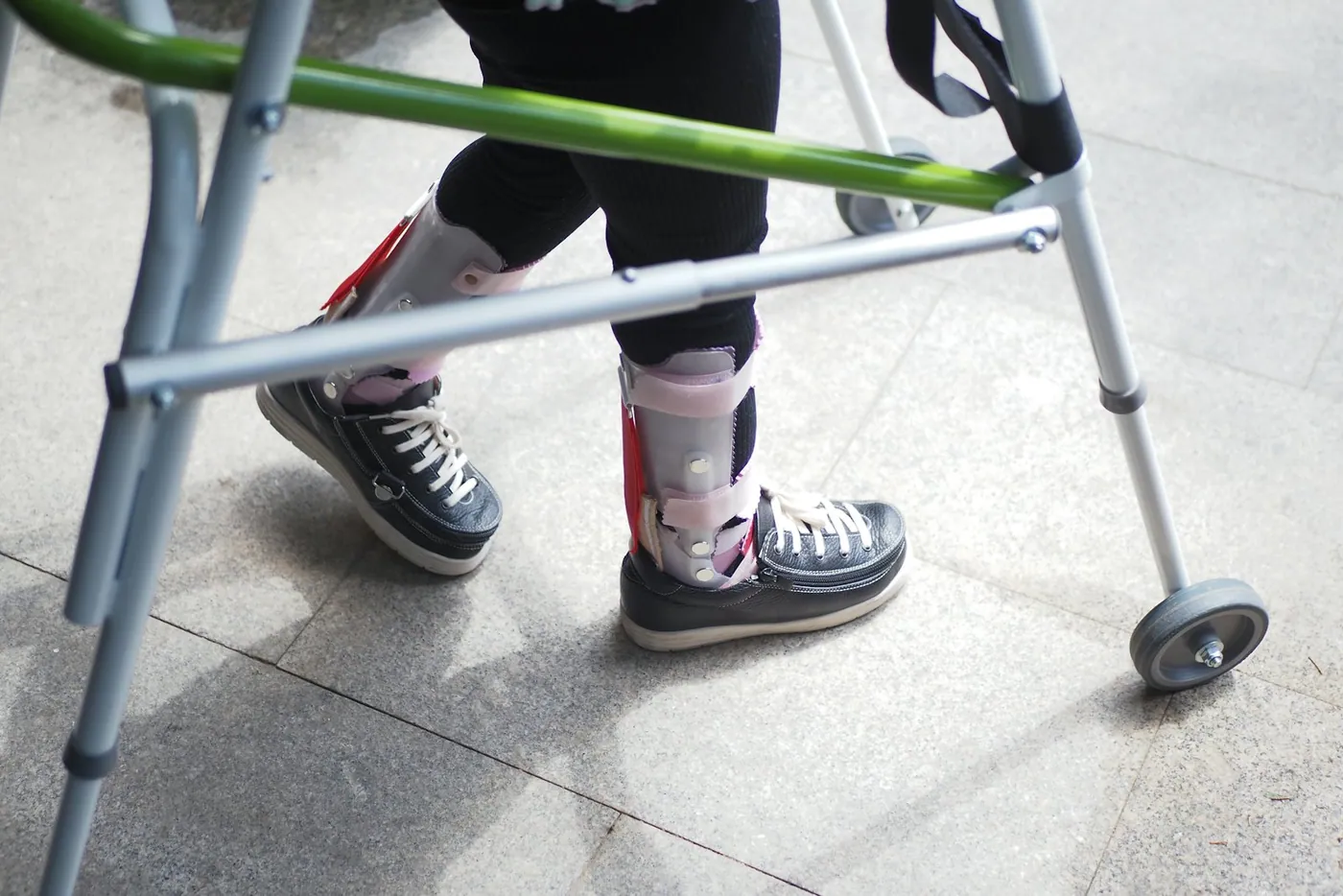
A patient practising supported walking during rehabilitation
Honest limits

When we tell you to see a surgeon

A non-surgical clinic that never refers anyone for surgery is not being careful, it is being commercial. Several findings mean you need a surgical opinion promptly, and we will arrange it rather than start a treatment course:

  • Cauda equina syndromeSaddle numbness, new bladder or bowel dysfunction, bilateral leg weakness. This is a surgical emergency, go to an emergency department, do not wait for an appointment.
  • Progressive neurological deficitWeakness that is measurably worsening week on week, or a foot drop that is deepening.
  • Frank instability or high-grade slippageWhere flexion-extension films show movement beyond what conservative care can stabilise.
  • Suspected infection, fracture or malignancyNight pain, fever, unexplained weight loss or a history of cancer changes the pathway entirely.

Not sure which phases apply to you?

Send us your MRI or X-ray report and our Karachi team will review it before you book. If the answer is that we cannot help, we will say so.

Call the clinic
Call clinic